DIY vs. Professional Fence Installation: Why Choosing an Expert Saves You Time and Money
When property owners encounter the decision of installing a fence, they often weigh the pros and cons of doing it themselves versus bringing in an expert. While the allure of saving money through a DIY project is appealing, the inherent risks can lead to greater investment of both money and effort. Professionals bring expertise and efficiency, which can be critical in handling difficult installation obstacles. This raises an important question: What true value comes from choosing professional installation?
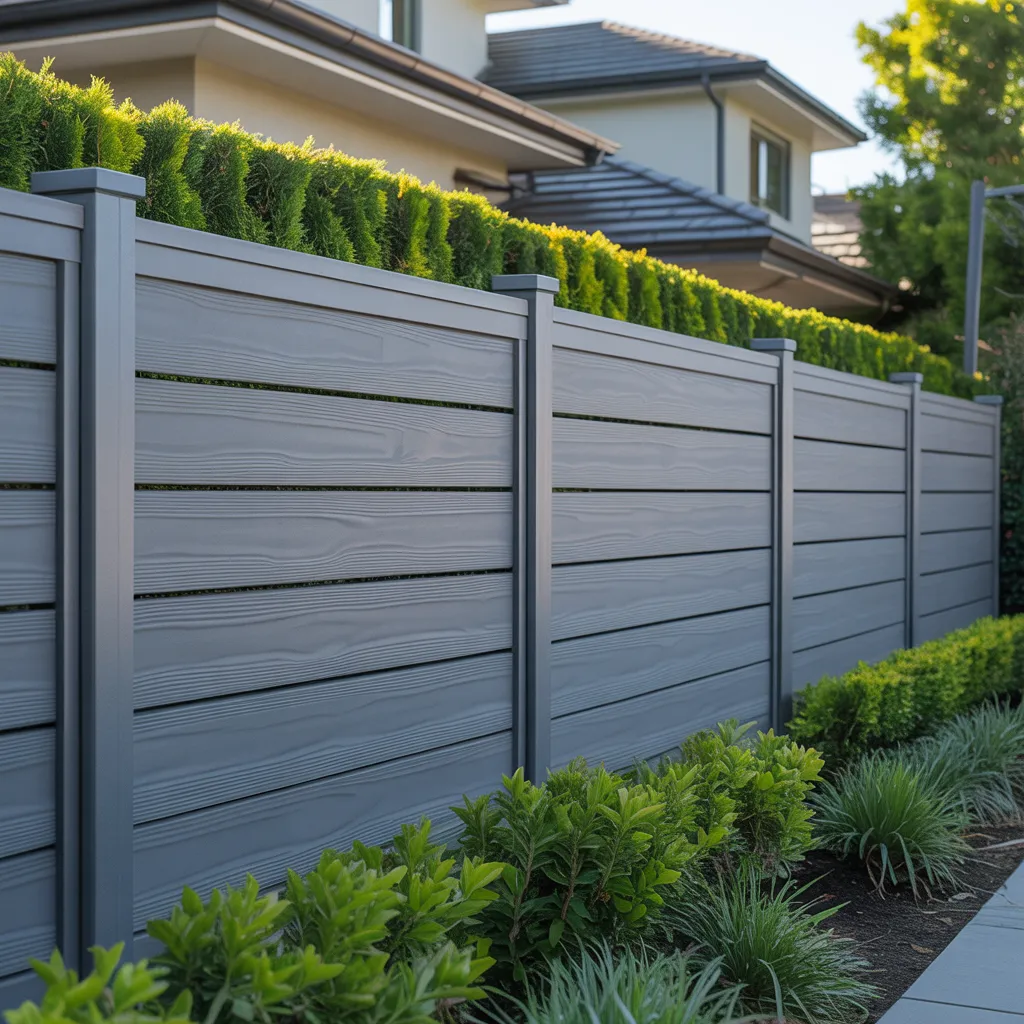
The Advantages of Professional Fence Installation
Though some homeowners may explore handling fence installation themselves, the advantages of hiring professionals often outweigh the initial cost. Professional installers bring expertise that guarantees the fence is erected correctly and efficiently. They possess specialized tools and equipment, which minimizes the risk of errors and enhances overall quality. Moreover, their background allows them to address issues such as sloped landscapes or municipal regulations, which can explore the facts hinder DIY attempts.
Furthermore, hiring experts often leads to more efficient turnaround, releasing homeowners from the hassle of lengthy projects. Professionals also provide warranties on their work, giving homeowners comfort about lasting performance and care. This coverage can ease anxieties over future complications stemming from improper installation. In summary, the advantages of expert fence installation encompass skilled labor, schedule efficiency, and sustained structural integrity, making it a prudent choice for many homeowners.
What Will Professional Installation Cost You?
The expense of professional fence installation may fluctuate considerably based on several factors, including materials, labor, and site conditions. Recognizing these factors is important for property owners exploring this option. Additionally, considering the long-term benefits can help determine whether the expenditure aligns with future goals and property improvement.
Key Factors That Influence Installation Cost
Many elements influence the total expense of professional fencing installation, making it necessary for property owners to know what affects these costs. The materials chosen—such as wood, vinyl, or metal—plays a major role in determining the total expenditure. Additionally, the length and height of the fence are critical considerations; bigger installations tend to cost more. Labor costs also change based on the difficulty of the project and local market rates. Property conditions, such as terrain and accessibility, can also impact the total cost, as further preparation or equipment might be called for. To round things out, any mandatory permits or property inspections must be accounted for, contributing to the overall cost. Understanding these elements enables homeowners to plan more effectively about their fence installation projects.
Considerations for Long-Term Value
Recognizing the costs associated with professional fence installation goes beyond the initial expenditures. While the initial costs may appear more expensive when weighed against DIY options, the extended benefit commonly justifies the cost. Experts provide skill that ensures proper installation, which can decrease the need for pricey upkeep and repairs over time. Additionally, a well-installed fence can enhance property value and curb appeal, possibly yielding a favorable return when putting a home on the market. The longevity of contractor-installed products frequently exceeds DIY options, limiting long-term replacement costs. All things considered, hiring an expert can lead to considerable savings and confidence, making the upfront investment worthwhile in the scope of long-term benefits.
Common Challenges of DIY Fence Projects
Beginning a DIY fence project can rapidly expose a host of unexpected challenges. Homeowners often underestimate the complexity of thorough preparation, including property boundary evaluations and obtaining necessary permits. Without an accurate survey, they run the risk of encroaching on a neighbor's property or contravening local codes.
In addition, identifying the proper materials and equipment can be overwhelming. A lack of experience may contribute to purchasing unsuitable materials or underestimating amounts, leading to delays and increased costs. Correct installation practices are vital; incorrect alignment or inadequate post depth can compromise the fence's overall strength and performance.
Furthermore, most DIY enthusiasts are unprepared for weather-related complications, which can cause significant delays. Physical labor demands, such as digging post holes or handling heavy materials, can also discourage even the most determined homeowners. These challenges highlight the complexities involved in DIY fence projects, inspiring many to reevaluate the advantages of enlisting expert assistance.
The Way Professionals Help You Save Time
When looking into fence installation, skilled contractors deliver significant time savings when measured against DIY efforts. Their proficiency in designing and implementing projects provides faster completion and minimizes delays. This effectiveness enables homeowners to enjoy their new fence without the extended wait often associated with self-installation.
Accelerated Project Completion
Hiring professional installers greatly expedites the fence installation process. Skilled installers arrive with specialized equipment and experience, permitting them to wrap up projects more efficiently than most do-it-yourself enthusiasts. While a homeowner might take days or even weeks to finish installation, skilled teams frequently wrap up the job in hours or days, based on the scope of the project. Their familiarity with various materials and techniques enables them to overcome challenges efficiently, reducing setbacks. Furthermore, professional crews generally operate in a coordinated manner, distributing duties to maximize output. This not only accelerates the installation but also decreases the chance of mistakes that might extend the project timeline. Ultimately, hiring professionals guarantees a timely completion, enabling homeowners to take advantage of their new fence more quickly.
Strategic Planning and Execution
While many homeowners may underestimate the importance of thorough planning, skilled installers know that thorough preparation is critical to achieving a successful fence installation. Experts begin with a detailed assessment of the site, accounting for variables such as topography, soil conditions, and zoning requirements. This thorough methodology ensures that all required materials are secured and that the layout corresponds with the homeowner's expectations while complying with local regulations.
Moreover, skilled technicians use cutting-edge methods and equipment, enhancing the installation process. Their background allows them to identify potential obstacles and handle them proactively, minimizing setbacks. By handling timelines and directing labor strategically, professionals not only reduce time expenditure but also limit costly missteps that often result from poor planning. At its core, skilled planning and execution produce a streamlined, more efficient installation process.
How Experts Manage Local Regulations
Managing local regulations can be an intimidating task for homeowners, but professionals excel in this area. Seasoned fence installation professionals maintain extensive knowledge of permit requirements, zoning laws, and building codes specific to each locality. They remain informed about regulatory changes, guaranteeing regulatory compliance that homeowners attempting DIY projects might miss.
Additionally, professionals commonly hold established relationships with local governing bodies, which can speed up the permit approval process. This established rapport enables them to navigate any foreseeable challenges efficiently, reducing delays that could stem from a lack of clarity regarding regional guidelines.
Moreover, specialists can guide homeowners toward the right materials and designs that meet local guidelines, decreasing the chances of future violations or forced modifications. By drawing on their experience, professionals streamline the installation process, protecting homeowners from the burden and challenges of regulatory compliance. In the end, working with a professional not only ensures compliance with legal requirements but also improves the overall effectiveness of the project.
Why Expert Installation Ensures Quality and Longevity
Navigating regional rules is just one component of guaranteeing a successful fence installation; the level of expertise plays a vital role in the fence's lasting performance. Professionals bring a depth of expertise, applying techniques that guarantee correct alignment, depth, and stability of fence posts. Their knowledge limits typical installation challenges, such as shifting or tilting, which can undermine a fence's integrity over time.
In addition, experienced specialists use premium materials, appreciating the intricacies of various fencing types and how they react to environmental conditions. This expertise helps prevent premature wear and damage, prolonging the service life of the fence structure.
Furthermore, professional fencing installation frequently incorporates correct sealing and finishing techniques that boost resistance to the elements. By investing in professional installation services, property owners can rest assured that their fence installation will not only fulfill appearance standards but also last for many years, delivering peace of mind and limiting the necessity of regular repairs.
Long-Term Value of Professional Fence Installation
Choosing expert fence installation delivers considerable long-term benefits that frequently surpasses upfront costs. Expert installers bring expertise, making certain the fence is properly installed, which minimizes the chances of costly future repairs. A professionally installed fence can withstand environmental stresses, extending its lifespan considerably in contrast to amateur installation attempts that could undermine the fence's structural integrity.
Additionally, engaging a professional installer regularly improves home value. A skillfully installed fence enhances both the aesthetics and street appeal, making the property more attractive to potential buyers. This becomes especially significant in competitive real estate markets where first impressions are everything.
Additionally, skilled contractors often provide warranty coverage, providing confidence that self-installed projects typically lack. This protection against defects or damage protects homeowners from unforeseen expenses further along. Overall, the long-term investment in skilled professional installation shows clear advantages, both financially and regarding sustaining a property's overall condition and value.

Questions We Often Receive
Is It Possible to Install a Fence Myself Without Experience?
Indeed, one can set up a fence without experience, but it might create difficulties and errors. Careful research, thorough planning, and patience are key, though enlisting a professional can guarantee a more successful and efficient end result.
What Tools Are Necessary for DIY Fence Installation?
When installing a fence, the necessary tools consist of fence panels, a post hole digger, level, hammer, saw, measuring tape, concrete mix, and protective safety gear. Such equipment secures a successful installation and boosts overall productivity during the work.
How Do I Choose the Right Fence Material?
Choosing the best fence material means considering durability, maintenance, aesthetics, and budget. Popular choices include wood, vinyl, metal, and composite. Examining each material's strengths and weaknesses assists in making an educated decision that suits specific needs.
What Upkeep Do Fences Need After Installation?
Fences require consistent care, including cleaning, checking for damage, and using protective coatings. Wood fences are improved by sealing and staining, while metal varieties might need anti-rust treatment. Routine care increases longevity and sustains appearance.
What Are the Best Ways to Keep My Fence Level and Straight?
To make certain a fence is level and straight, one should use a long level or guide string as a guide. Frequently check alignment throughout installation, making adjustments to posts as needed to ensure consistency throughout the entire process.